
Insights and Innovations is a column featuring brief essays, Q&As, op-eds, and expert commentary on energy and environmental topics. Contributors include faculty, graduate students, and researchers from across Penn State.
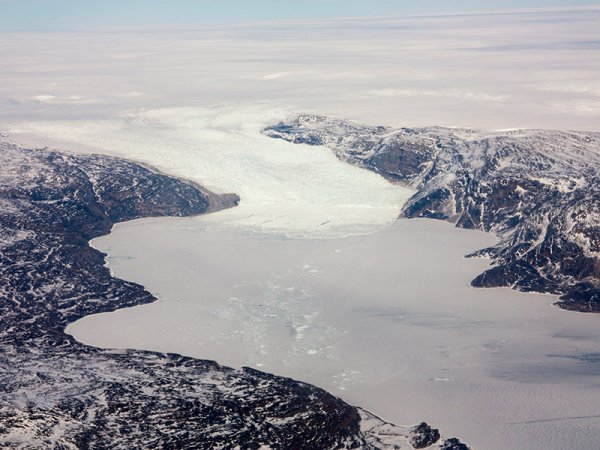
What does a warming Arctic mean for the future?
- Profile Photo
 Name
Name - Profile Photo
 Name
Name
With numerous stories in the news about Arctic ice melting and glaciers collapsing, two Penn State researchers answer questions about warming in the Arctic and what it means for the future.
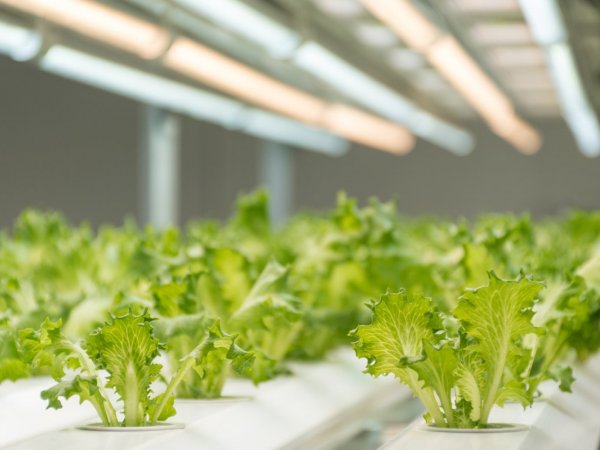
Is it possible to achieve food resilience after a global catastrophe?
- Profile Photo
 Name
Name
In the wake of a global catastrophe, like nuclear war or a supervolcano, billions of people could starve due to nuclear winter. However, a team of researchers is investigating what could be done to feed the world if nuclear winter set in.
A sustainable circular economy of plastic
- Profile Photo
 Name
Name
Plastic is not the enemy. That statement may seem unpopular considering the news surrounding plastic pollution. According to the United Nations, approximately 7 billion of the 9.2 billion tons of plastic produced from 1950–2017 became plastic waste, ending up in landfills or dumped. Only about 9–15% of that plastic gets recycled. The vast majority—about 80%—ends up in landfills or the environment.
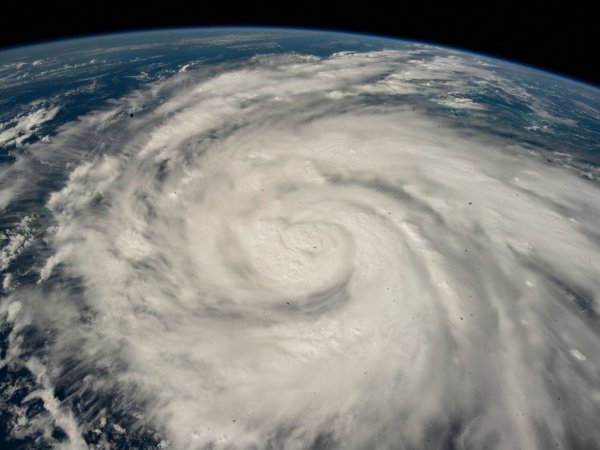
What is reverse storm surge and is it related to climate change?
- Profile Photo
 Name
Name
Many of us watched closely as Hurricane Ian impacted Florida and the people living there. This close attention to the storm has caused many people to ask questions about some of the images they have seen of reverse storm surge.
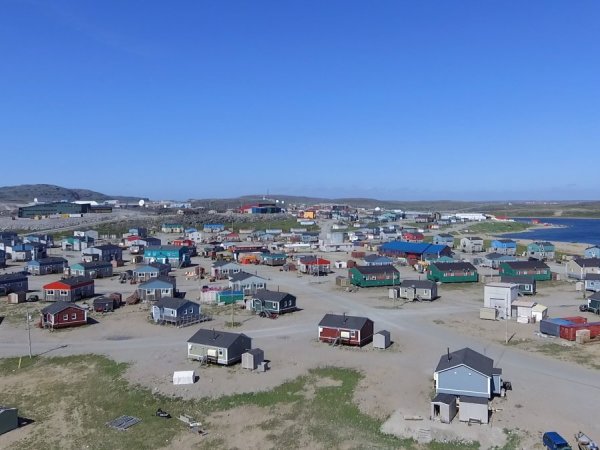
Visualizing climate change through a documentary of the Inuit
- Profile Photo
 Name
Name
As an anthropological filmmaker, Kirk French has been working with the Inuit to revisit the iconic film "Nanook of the North" and to document the environmental and cultural changes that have taken place there over the last century.

Women empowering women in STEM
- Profile Photo
 Name
Name
The path to a successful career in science can be challenging. Finding one's passion can also be difficult. Fortunately, there are people who can offer their guidance and help along the way to both a successful career and fulfilling one. Li Li reflects on her journey and the many women who walked it with her.

Will buying a new electric Ford F-150 Lightning help save the world from climate change?
- Profile Photo
 Name
Name
The Ford F-150 is the most popular vehicle in the U.S., so interest is high on the electric vehicle "Lightning" model. But are EVs really better for the environment than internal combustion engine vehicles?
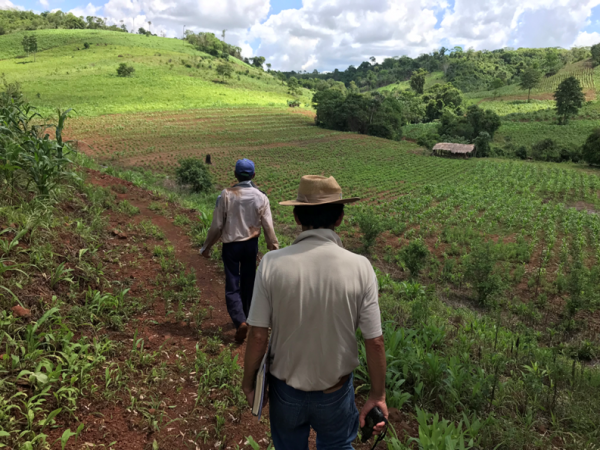
How are we adapting? A nexus approach for addressing food-energy-water vulnerabilities in the face of climate change
- Profile Photo
 Name
Name
In 2021, the United Nations (UN) Intergovernmental Panel on Climate Change (IPCC) released the sixth assessment report, highlighting how climate change shapes our environmental futures with more frequent and intense extreme events such as drought, floods, and sea-level rise. These natural hazards impact the ability of society to access food, energy, and water resources and introduce risks to human survival and wellbeing.
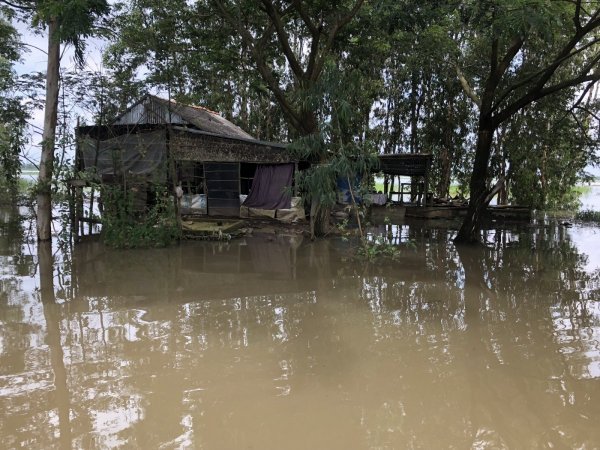
A change in season, a change in water?
- Profile Photo
 Name
Name
For many households, a change in the season could mean a change in their water supply. What impacts household water supply for one family, however, might not affect another in the same way.
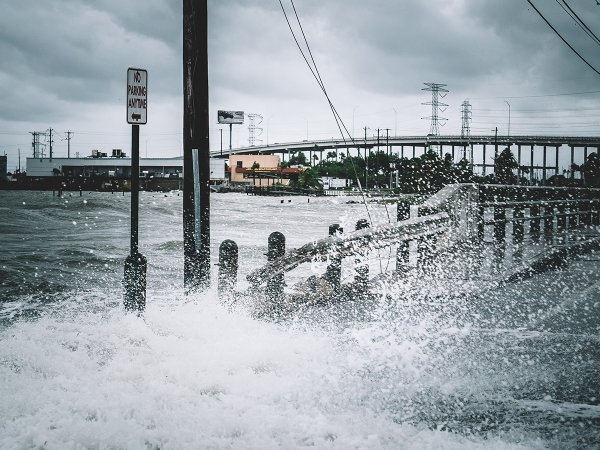
Redressing a flood of historic injustices
- Profile Photo
Name
Penn State’s recent entry into the Coastal and Estuarine Research Federation (CERF) design competition demonstrates how students may play a significant role in identifying ways to redress historic injustices and as importantly, not perpetuate past racist policies as communities adapt to changing sea levels.