
Insights and Innovations is a column featuring brief essays, Q&As, op-eds, and expert commentary on energy and environmental topics. Contributors include faculty, graduate students, and researchers from across Penn State.
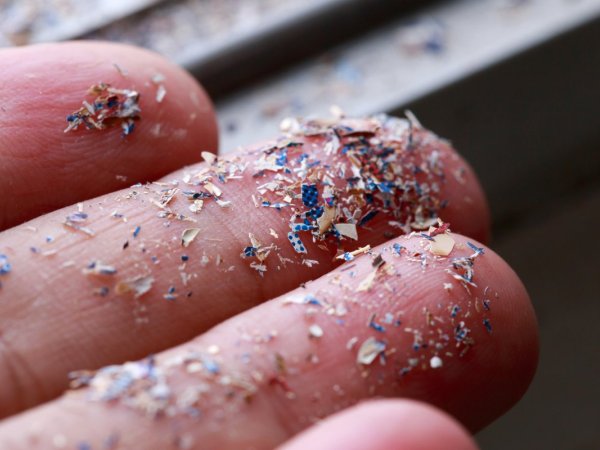
Microplastics: Sources, health risks, and how to protect yourself
- Profile Photo
 Name
Name
Plastic is everywhere, and it is essential to modern life. Yet it comes with a hidden cost: microplastics, tiny pollutants that have become a growing concern for both the environment and human health.

California’s wildfire crisis: Expert insights on causes, spread, and solutions
- Profile Photo
 Name
Name
California’s wildfire crisis highlights the impact of climate change, powerful winds, and human activity on fire behavior. Expert insights reveal the factors driving these disasters and the innovative technologies being used to mitigate their effects.

How the Los Angeles wildfires expose climate risks and solutions
- Profile Photo
 Name
Name
The devastating Los Angeles wildfires reveal the growing risks of climate change and the urgent need for solutions. Explore how these fires are out of sync with nature's cycles, why extreme weather is intensifying, and the steps we can take to protect communities and build a resilient future.

Soil organic carbon sequestration, the microbial carbon fee, and the microbial premium
- Profile Photo
 Name
Name
While increasing soil organic carbon can help sequester atmospheric carbon dioxide, it's challenging due to microbial respiration and other factors. However, practices that promote soil health and prevent carbon losses, such as avoiding land use conversion, can still be beneficial for both soil and climate.

Empowering people to address climate change, one community at a time
- Profile Photo
 Name
Name - Profile Photo
 Name
Name
Penn State's Local Climate Action Program is a collaborative initiative that empowers communities to take action against climate change by engaging students, faculty, and local officials in developing and implementing sustainable solutions.

Electrochemical extraction of lithium provides sustainable battery solution
- Profile Photo
 Name
Name - Profile Photo
 Name
Name
The increasing demand for lithium has led to rising costs and environmental concerns. Researchers have developed a new method that could provide a more sustainable and affordable way to extract this essential mineral.
Are lawsuits effective ways to protect the climate and environment?
- Profile Photo
 Name
Name
Lawsuits are a method used by numerous groups to try to protect the climate and environment, from suing governments to accusing companies of misleading marketing. We spoke with Hannah Wiseman, an IEE faculty member and professor of law at Penn State Law, about these lawsuits and their impact on the environment and climate.

Climate change, cities, and net-zero emission buildings
- Profile Photo
 Name
Name
Despite their small geographical footprints, cities incorporate a high density of buildings and great concentration of urban residents, making them the hotspots of resource and energy consumption and greenhouse gas emissions.

Using outer space for cooling and energy on Earth
- Profile Photo
 Name
Name
A Penn State research group is developing a new way to cool buildings and devices by using a special material that lets sunlight pass through to generate electricity while also releasing heat into space, providing cooling without using electricity.

Climate-smart forestry: Mitigating climate change and enhancing resilience in Pennsylvania
- Profile Photo
 Name
Name
The climate crisis has put carbon sequestration and carbon offset projects on the international agenda. But what role can forests play in removing carbon emissions? Can healthy forests help Pennsylvania achieve state-wide climate mitigation goals?