
Insights and Innovations is a column featuring brief essays, Q&As, op-eds, and expert commentary on energy and environmental topics. Contributors include faculty, graduate students, and researchers from across Penn State.

The legal and social complexities of solving climate change
- Profile Photo
 Name
Name
As the United States and other countries around the world wrestle with climate change and its impacts, there is also a lot of debate related to the technology, finances, regulations, and social acceptance of potential solutions to climate change.

The role of porous materials in the energy transition
- Profile Photo
 Name
Name
In order to decrease carbon emissions while not only maintaining, but growing, quality of life will require a reimagining of the energy and building sector, and a key element in that reimagining is porous materials, objects with tiny holes in them.

Will wildfires and smoky skies in the East be the new normal?
- Profile Photo
 Name
Name
Research shows that wildfires are becoming more frequent and severe. Generally, these blazes have been in the Western U.S. However, as climate change intensifies and other factors contribute to their development, wildfires are now occurring farther east, in areas that historically have not experienced wildfires or their hazardous air quality.
Underground hydrogen storage to support renewable energy
- Profile Photo
 Name
Name
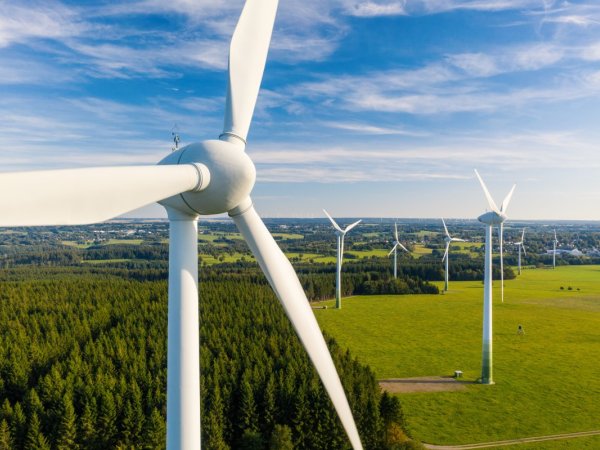
Hydrogen is gaining traction as a key player in the transition from fossil fuel energy to renewable energy. When used as a fuel, hydrogen produces only water vapor as a byproduct, making it a low-carbon energy carrier that could replace carbon-intensive fossil fuels in energy-intensive sectors.
Assessing impacts of early warning systems for cholera risk in Bangladesh
- Profile Photo
 Name
Name
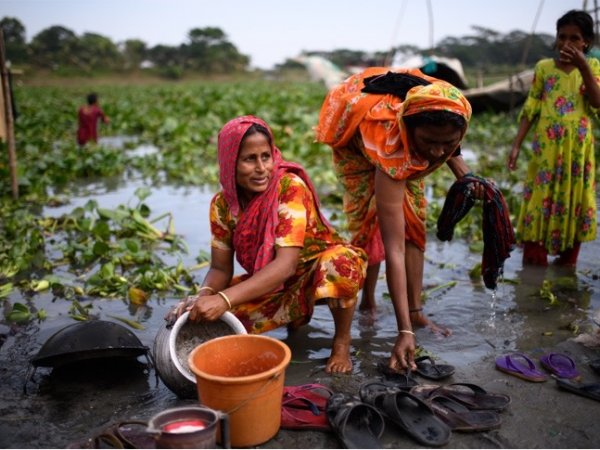
A team of researchers set out to investigate the feasibility of developing an early warning system for cholera risk in Bangladesh, citing existing research that suggests that providing households with early warning of their local cholera risks could reduce potential exposures to cholera.
Improving your science through the IEE labs
- Profile Photo
 Name
Name
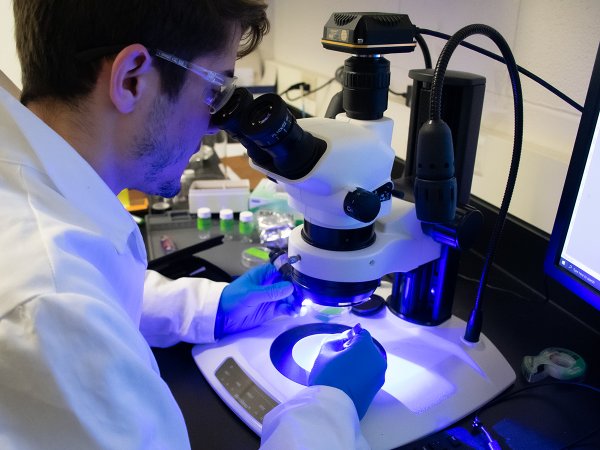
The shared core facilities at Penn State are communal, open-access laboratories, which include the labs of the Institute of Energy and Environment. They provide meaningful and essential support for Penn State’s researchers.
Penn State's role in solving climate change
- Profile Photo
Name
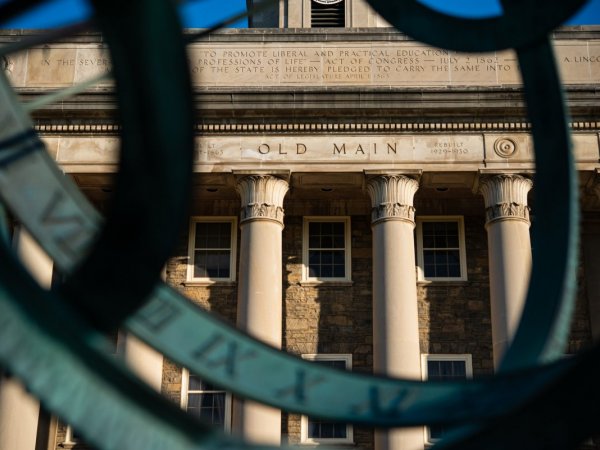
The Climate Solutions Symposium will be held on May 22 and 23, 2023. Erica Smithwick, one of the symposium's organizers, shares about the climate crisis and the solutions being developed to improve mitigation, adaptation, and resilience.
Maximizing hydrological and environmental benefits of solar farms
- Profile Photo
 Name
Name - Profile Photo
 NameRouhangiz (Nasim) Yavari
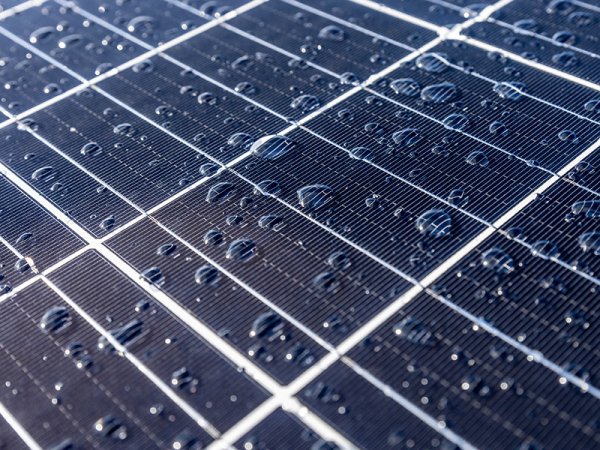
Major ground-mounted solar panel installations, often called “solar farms,” are rapidly growing in Pennsylvania and around the world. Solar farms are part of a critical effort to increase our renewable energy portfolio and reduce our carbon footprint. However, due to their size (often covering hundreds of acres), solar farms have the potential to impact natural hydrological and ecological processes.
Understanding transitions to solar energy on Pennsylvania farmland
- Profile Photo
 Name
Name
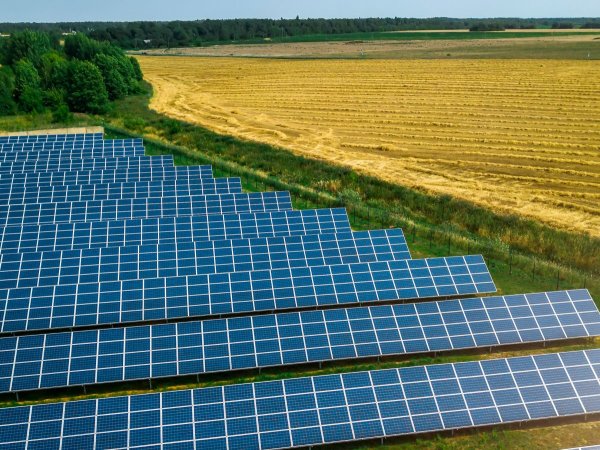
Solar energy continues to become more affordable and widely available. However, it requires large areas of land that are often in competition with agricultural, industrial, or residential uses, and this competition makes solar expansion complicated.

Addressing wicked environmental problems through engaging stakeholders
- Profile Photo
 Name
Name
Complex environmental problems—such as climate change, excess nutrients in waterways, and droughts and wildfires—require collaborative approaches that seek to engage multiple stakeholders in defining and addressing the causes and consequences versus past techniques that pushed top-down solutions.