
Insights and Innovations is a column featuring brief essays, Q&As, op-eds, and expert commentary on energy and environmental topics. Contributors include faculty, graduate students, and researchers from across Penn State.

Making the Invisible Visible: Groundwater and water insecurity in Pennsylvania
- Profile Photo
 NameAndrew Warner
March 22 is World Water Day, and this year’s theme—Groundwater: Making the Invisible Visible—has Water Initiative Director Andrew Warner thinking of home… that is, Pennsylvania.
How a walk in the park could save the environment
- Profile Photo
 NameTimothy Mateer
 - Profile Photo
 Name
Name
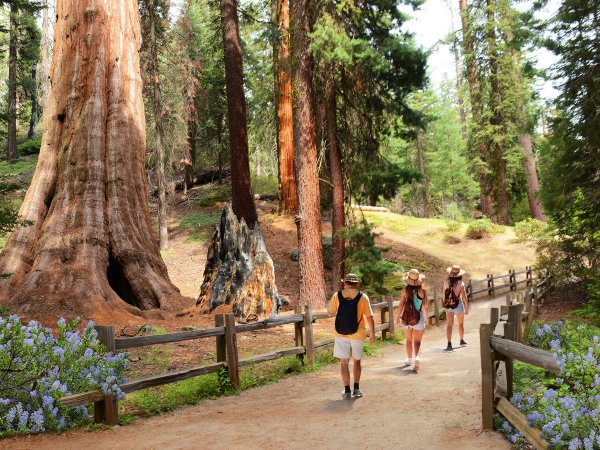
The dual mandate of providing for both human health and ecological health becomes a fine line to walk for outdoor recreation managers in the United States. However, there could be a potential pathway to understanding how outdoor recreation may support both human and environmental well-being.
Nuclear waste's need for a new kind of cement
- Profile Photo
 NameTitus Reed
 - Profile Photo

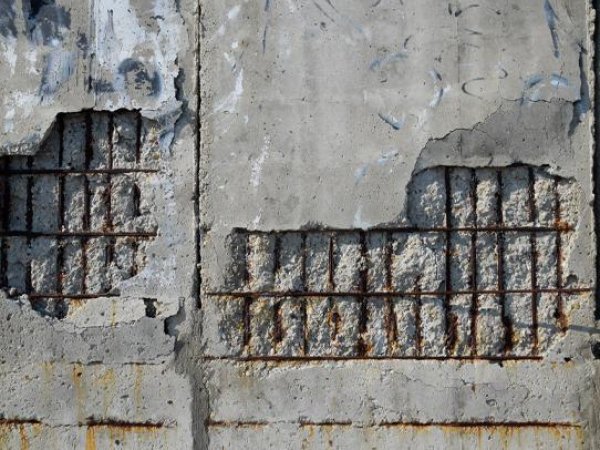
Storing spent nuclear fuel rods has long been a challenge. But a new material that is being developed may help store nuclear waste more safely and for a longer time. It may also reduce carbon emissions by replacing an ingredient in concrete, a major greenhouse gas generator.
Indigenous knowledge is key to a sustainable future
- Profile Photo
 Name
Name - Profile Photo
 Name
Name - Profile Photo
 Name
Name - Profile Photo
 Name
Name - Profile Photo
 Name
Name - Profile Photo
 Name
Name - Profile Photo
 Name
Name - Profile Photo
 NameKristina Douglass
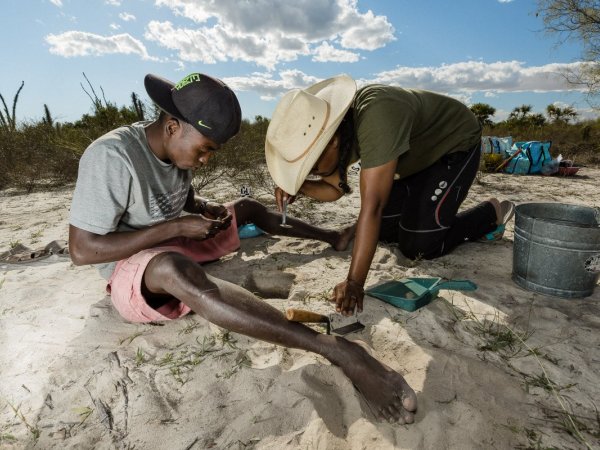
Traditional ecological knowledge held by Indigenous groups around the world is key to understanding resilience and cultural survival in the face of intensifying climate change. In fact, there are hundreds to thousands of years of knowledge that can be an important component of future climate research.
Hydrofluorocarbons saved the ozone layer but are warming the earth
- Profile Photo
 Name
Name - Profile Photo
 Name
Name
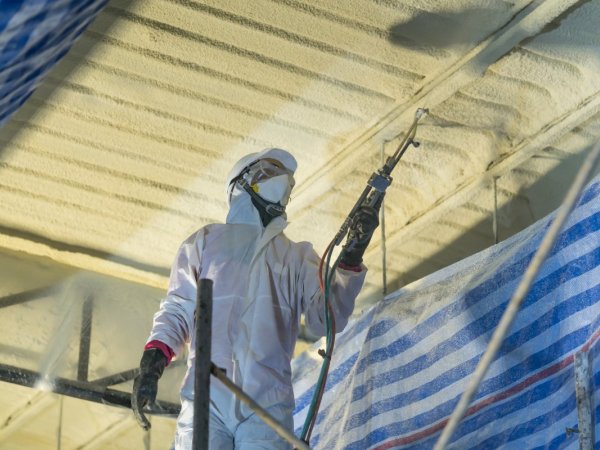
Switching to hydrofluorocarbons led to ozone recovery, but there are drawbacks to hydrofluorocarbons, specifically global warming. Some in the building industry have taken notice of this issue and switched to a different chemical to apply insulation.
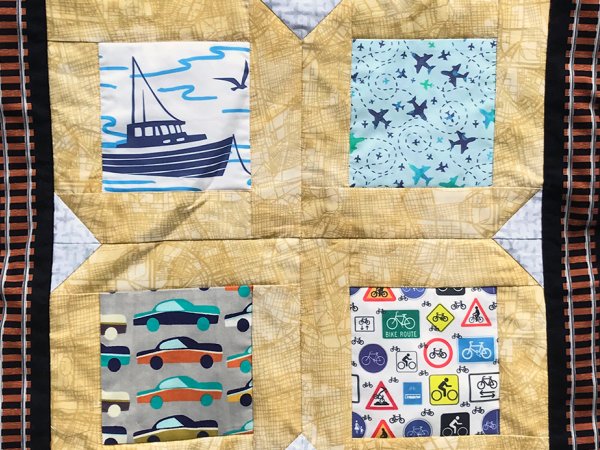
Communicating climate solutions at the intersections of science and art
- Profile Photo
 Name
Name
Scientists are continually looking to expand how they communicate their science. Laura Guertin found that through art—specifically, quilting—she is able to share her science and engage in conversations around climate change.
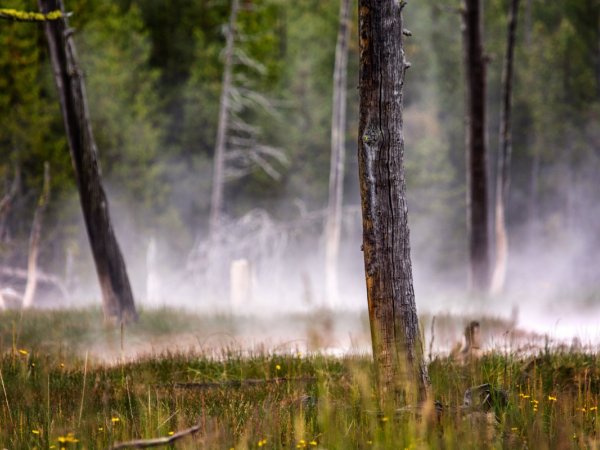
Wildfires: The new normal is now
- Profile Photo
 Name
Name
In 2011, we published a paper that predicted continued warming could transform the Greater Yellowstone Ecosystem by mid-Century. I had no idea that just ten years later, I would bring my children to see this magical place, only to have it shrouded in wildfire smoke.
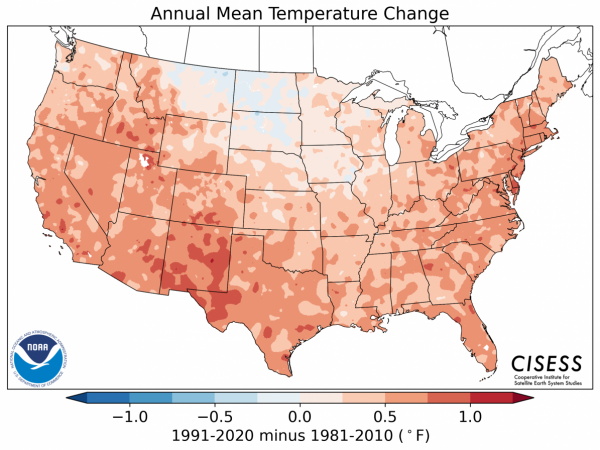
Why are the new climate normals abnormal?
- Profile Photo
 Name
Name
Each decade the National Oceanic and Atmospheric Administration (NOAA) releases a new set of U.S. Climate Normals, providing thirty-year temperature and precipitation averages that contain insight about both current weather and patterns in the near future. In early May, NOAA released the Climate Normals for 1991-2020, revealing the warmest recorded period to date.

Social media use and perceptions of community resiliency during the COVID-19 pandemic
- Profile Photo
 Name
Name - Profile Photo
 NameLola Xie
The concept of resilience originated from biophysics to describe the ability of a system to rebound after disturbances. Resilience at the community level is defined by social scientists in disaster management as the capacity of a community to withstand and recover from disturbing events. Though individual agency plays an important role in constructing community resilience, a group of resilient individuals does not form a resilient community. Community resilience is greater than the summation of its individual members’ resilience.
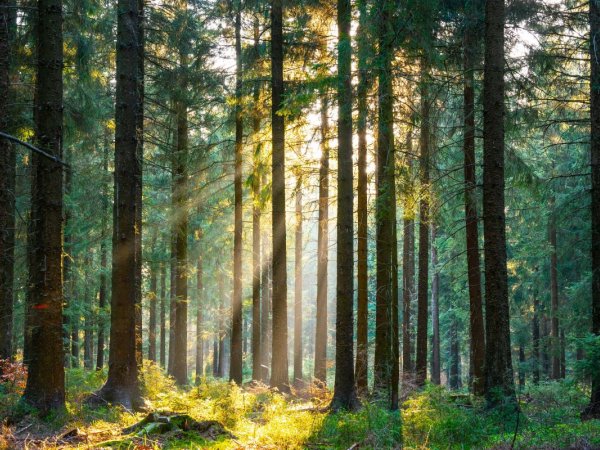
How many trees are needed to take up the carbon dioxide I release every day?
- Profile Photo
 Name
Name
Breathe in, and you consume oxygen. Breathe out, and you release carbon dioxide into the air. We know that burning fuels releases carbon dioxide, and our own “fuel,” or the food we eat, is no different. We capture the energy from the food we eat and then release the carbon from that food into the environment. On average, we eat about 2,000 calories a day and release about 2 pounds of carbon dioxide a day. Plants and trees use the energy in sunlight to take up carbon dioxide through their leaves and grow more biomass.