
Insights and Innovations is a column featuring brief essays, Q&As, op-eds, and expert commentary on energy and environmental topics. Contributors include faculty, graduate students, and researchers from across Penn State.
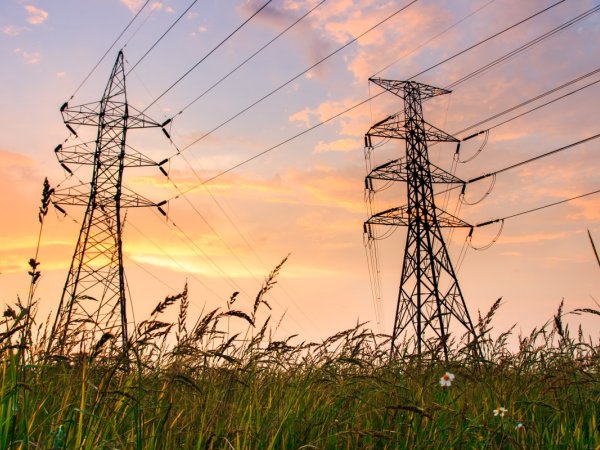
Transitioning to renewable energy: Challenges and opportunities
- Profile Photo
 Name
Name
Countries around the world are exploring ways to transition away from fossil fuels. The transition, prompted by carbon emissions that exacerbate climate change, is vast and includes renewables such as solar, wind, and hydro. But is transitioning as simple as choosing renewables for energy?
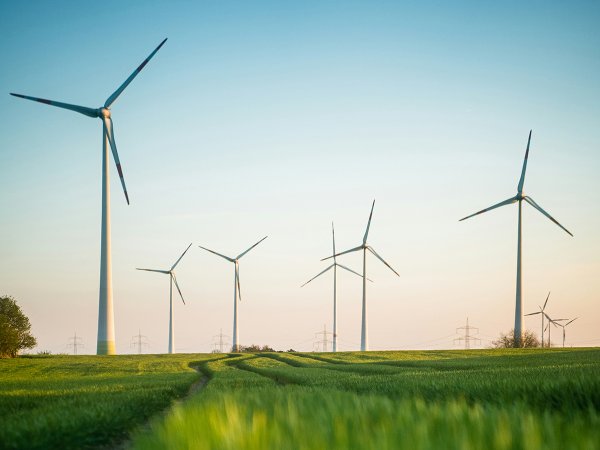
Unlocking the true potential of wind energy
- Profile Photo

Wind energy is a powerful and abundant renewable resource. It could hold the key to a cleaner and more sustainable future. But harnessing its full potential requires overcoming a crucial hurdle: efficiently transmitting electricity generated by wind farms to the power grid.

Glacier lake outburst floods: Loss of life and infrastructure
- Profile Photo
 Name
Name - Profile Photo
 Name
Name - Profile Photo
 Name
Name
A massive glacial lake outburst flood (GLOF) devastated Sikkim, India in October 2023. The disaster, triggered by a landslide and heavy rainfall, highlights the need for improved disaster planning that considers scientific knowledge, local community concerns, and the impact of climate change.

Engaging locally in water quality planning
- Profile Photo
 Name
Name
To address pollution concerns in the Chesapeake Bay, communities throughout the watershed have been engaging stakeholders in an effort to reduce nitrogen, phosphorus, and sediment loads, which are responsible for harmful algal blooms and turbid waters.
Carbon sequestration and mineralization
- Profile Photo
 Name
Name
Addressing the incontrovertible risks of climate change requires deep decarbonization. In addition to green measures like upscaling renewables and improving energy efficiency, there is broad scientific consensus that large-scale carbon capture and sequestration (CCS) remains critical to limiting global temperature rise below 2°C.
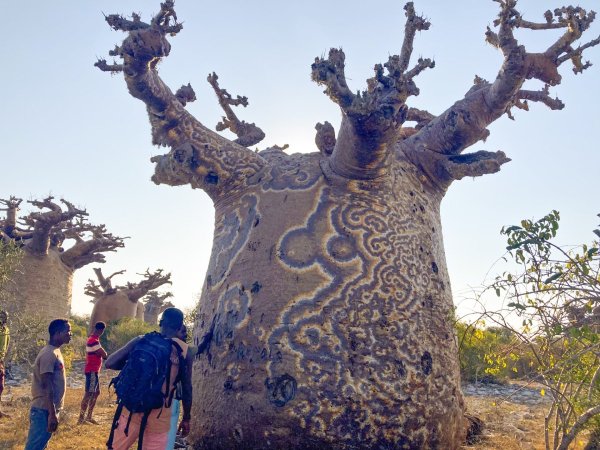
Learning from and working with local communities to save the baobab tree
- Profile Photo
 Name
Name
An ecological survey of Madagascar's baobab trees initially aimed to learn more about the history of the tree and how it was dispersed, but pivoted after meeting people from the local community who wanted to save their dying trees.
How free radicals could be the key to understanding air pollution and improving health
- Profile Photo
 Name
Name
A unique "fingerprint" produced by an air pollutant could help researchers better understand the health impacts of new and emerging environmental pollutants and their associated negative health effects.
Groundwater: Deep need, deep trouble
- Profile Photo
Name
Groundwater is a hidden resource that many people have come to rely on. Large amounts of it are used to supply drinking water to communities and irrigation to farmlands. However, with groundwater being pumped faster than it is replenished and climate change exacerbating its decline, that commodity is in danger of disappearing.
Why quantum materials are the answer to our energy transmission and data storage challenges
- Profile Photo
 Name
Name
Although quantum materials may seem complicated and mysterious, their unusual properties could be harnessed to help solve challenges with energy transmission and data storage.
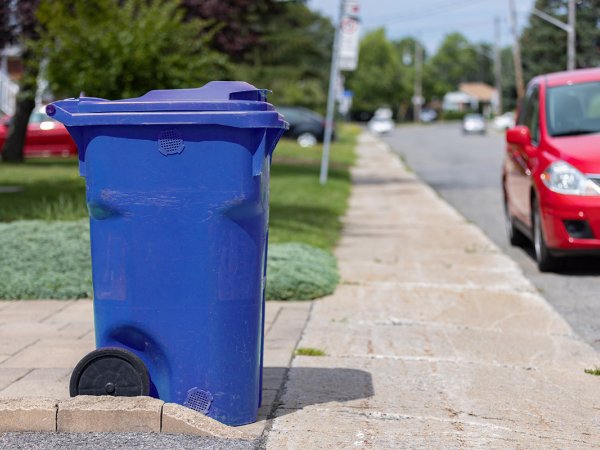
Gasoline used in your car produces a lot of 'trash' in the form of CO2 emissions
- Profile Photo
 Name
Name
Every week, there is a constant reminder about how much trash we throw away: the nearly endless lines of large garbage bins sitting out on the curb. But what about the other things we don’t see that we are throwing out, like those invisible gases emitted by our automobiles?