
Analysis of Emerging and Persistent Organic Pollutants
The Environmental Contaminants Analytical Laboratory is equipped with a wide range of state-of-the-art sample preparation and analysis equipment that support established analytical procedures including:
- Organic fluorine compounds-PFAS screening: EPA 1621
- PFAS targeted and non-targeted analysis: EPA 537.1, EPA 1633
- Pharmaceuticals and personal care products: EPA 1694
- Agricultural chemicals: pesticides, herbicides-targeted and non-targeted analysis: various methods GC-MS/MS and LC-MS/MS
- Volatile organic compounds: EPA 8260D (SW-846)
- Semivolatile organic compounds: EPA 8270E (SW-846)
- Dioxins and furans: EPA 23
- Total petroleum hydrocarbons: EPA 8440
- Microplastics and nanoplastics
The Environmental Contaminants Analytical Laboratory’s services are available to Penn State researchers as well as researchers from other institutions and industry
By collaborating with the Environmental Contaminants Analytical Laboratory and mentoring the next generation of environmental scientists, we’re not only tackling today’s pollution challenges but also preparing for tomorrow’s.

Associate Professor of Physical Geography and Environmental Studies
Work with Us
The Environmental Contaminants Analytical Laboratory is available to assist both Penn State researchers and external clients from industry, government, and other universities. Get started:
Research Projects
The lab subject matter experts have worked with a wide range of clients and researchers with diverse needs including:
- Fate and transport of emerging contaminants in the environment, including per- and polyfluoroalkyl substances (PFAS), pharmaceuticals and personal care products (PPCPs)
- Contaminant uptake in plant tissue and aquatic organisms
- Assess the behavior of contaminants in surface water using Polar Organic Chemical Integrative Sampler (POCIS)
- Examination and quantification of the effectiveness of treatment technologies to remove PFAS from drinking water and wastewater
- Quantification of contaminants from fields receiving wastewater effluent for irrigation or biosolids application
- Microplastics and nanoplastics materials characterization
Capabilities
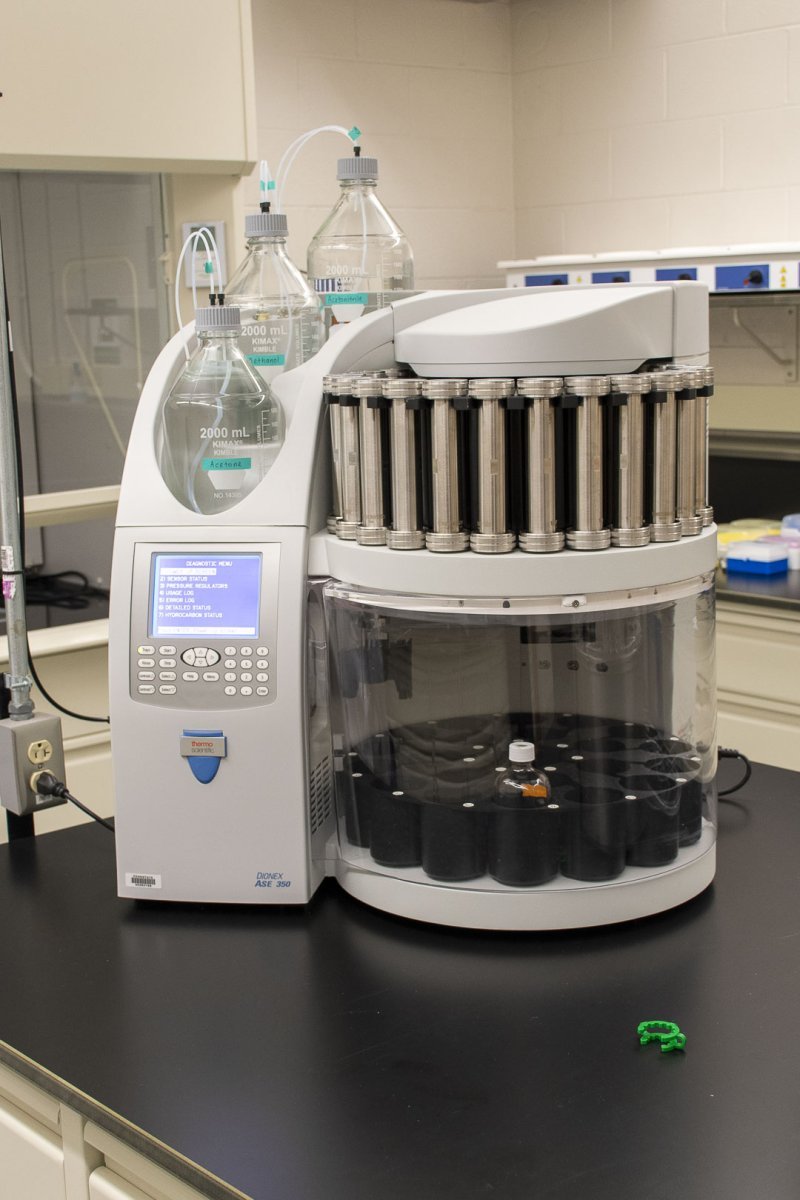
Sample Preparation
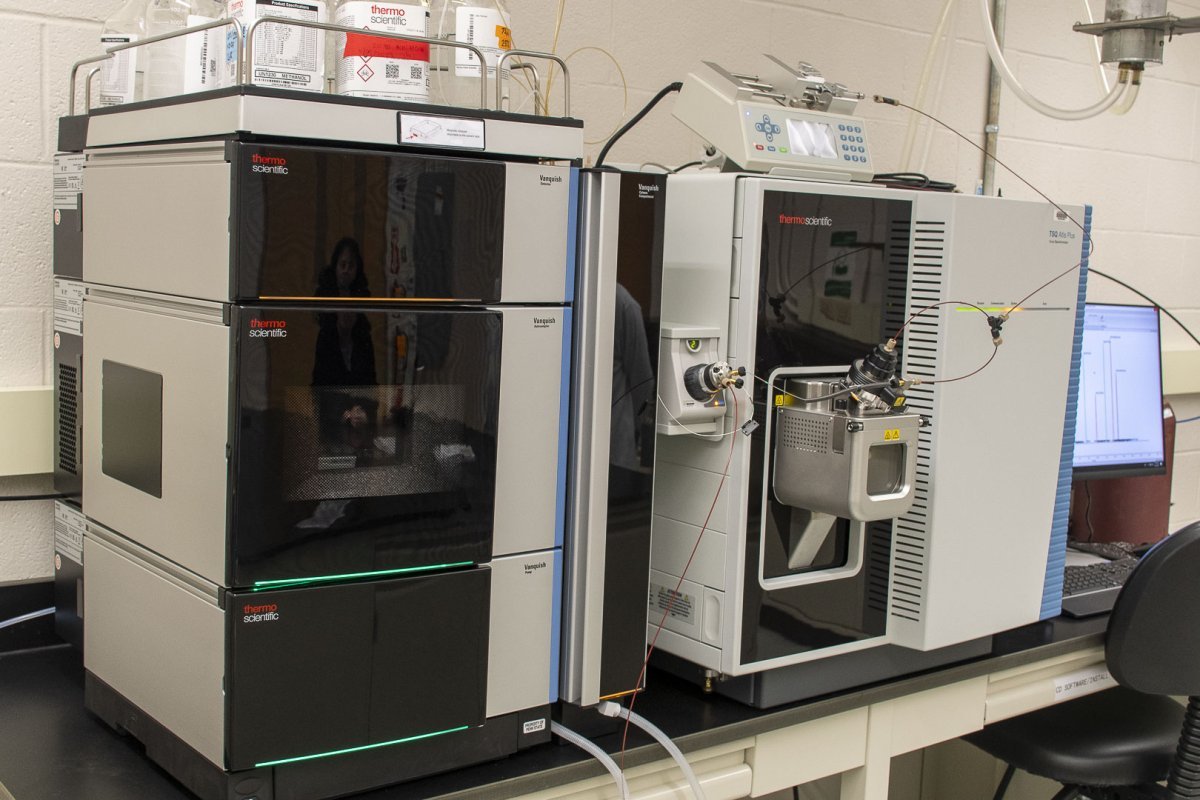
Instrumentation
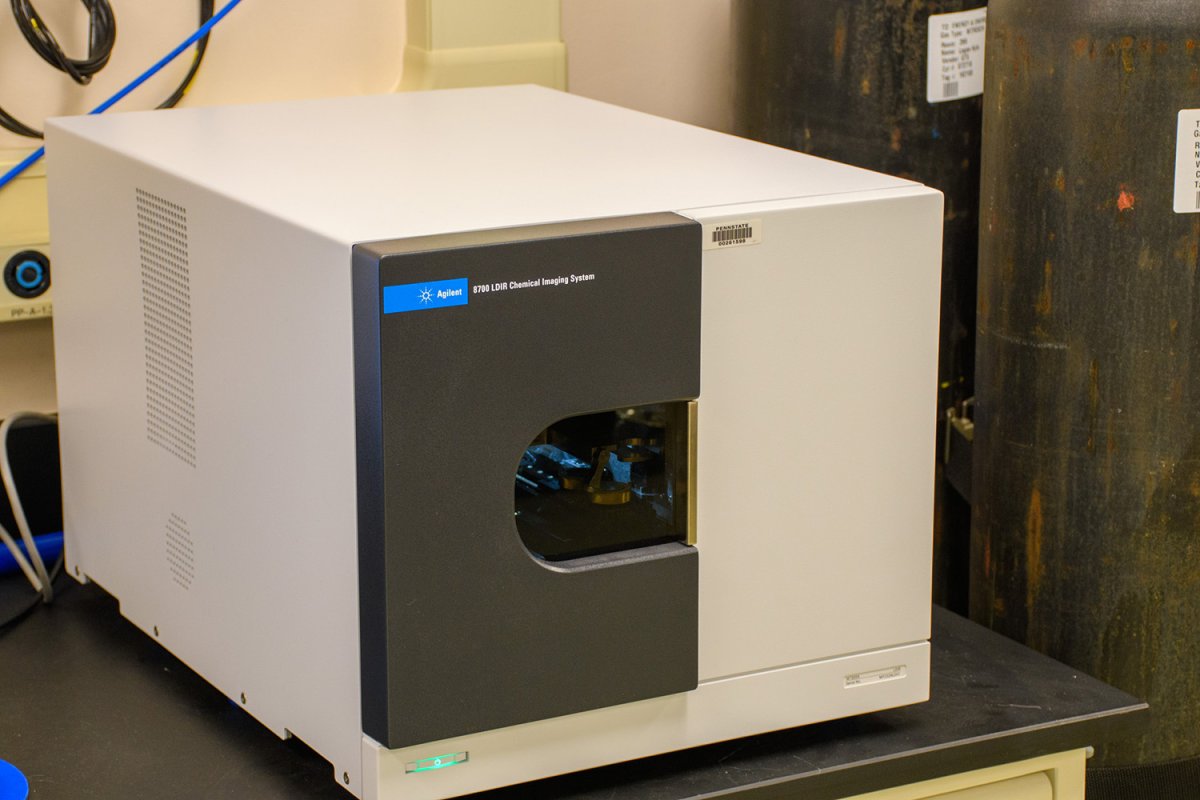
Agilent 8700 Laser Direct Infrared (LDIR)
The Agilent LDIR is a chemical imaging system applies Quantum Cascade Laser (QCL) spectroscopy. This system is fully automated, and provides great speed in physical and chemical analysis and characterization of microplastic particles in environmental, biological, food and more.
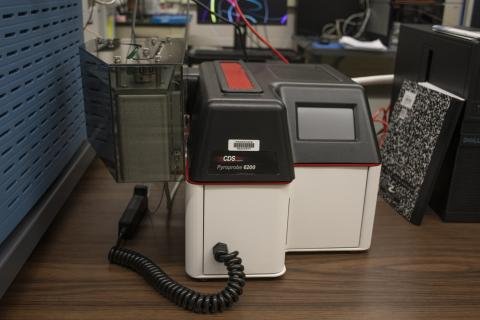
CDS Pyroprobe 6200
The Pyroprobe 6200 performs a thermal decomposition process of organic material at elevated temperatures in an anaerobic environment. It involves the cleavage of large complex molecules into smaller, more analytically useful fragments through thermal energy.
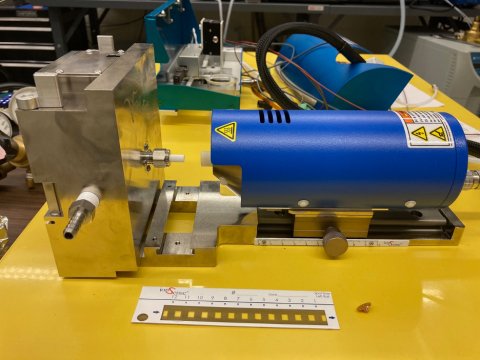
DART - MS with IonRocket
The Direct Analysis in Real Time (DART-MS) desorbs molecules from surfaces such as leaves, currency, polymers, and packaging materials, directly introducing them to the Orbitrap inlet.
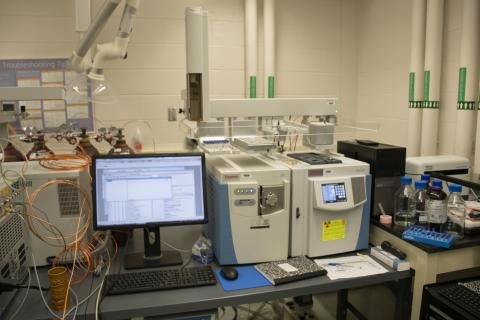
ISQ LT Single Quad GC-MS
The Thermofisher Scientific ISQ LT single quadrupole GC/MS is a high-throughput benchtop instrument that is used to screen, characterize, and quantify organic compounds in diverse matrices.
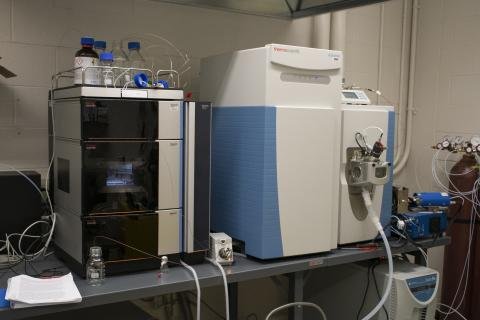
Q Exactive Orbitrap LC-MS
The Thermofisher Scientific Q Exactive (QE) LC-MS is equipped with electrospray ionization (ESI), atmospheric pressure chemical ionization (APCI), and direct analysis in real-time (DART) ionization sources.

TSQ 9000 Triple Quad GC-MS/MS
The Thermofisher Scientific Triple Quadrupole (TSQ 9000) GC-MS/MS is equipped with Selective Reaction Monitoring (SRM) and Advanced Electron Ionization (AEI) source that facilitate ultra-sensitive targeted analyses.
In the News


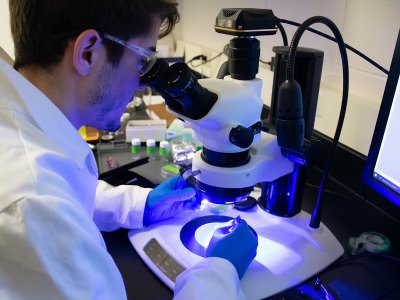
Environmental Contaminants Analytical Laboratory Staff






Addresses
Instrumentation Lab:
242 Energy and Environment Laboratory Building
753 Hastings Road
University Park, PA 16802
Sample Preparation Lab:
269 Energy and Environment Laboratory Building
753 Hastings Road
University Park, PA 16802