
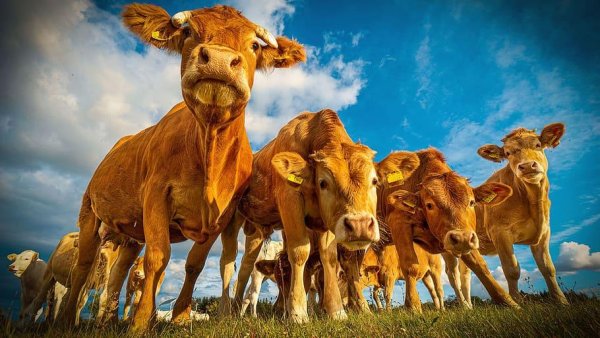
Computer models may add sizzle to plans to make cultivated meat alternatives
| psu.edu
Penn State chemical engineers suggest that using computers to analyze the metabolic needs of livestock animal growing cells – or genome-scale metabolic modeling -- could help food scientists design processes and growth media that produce meat at scales suitable for commercialization.
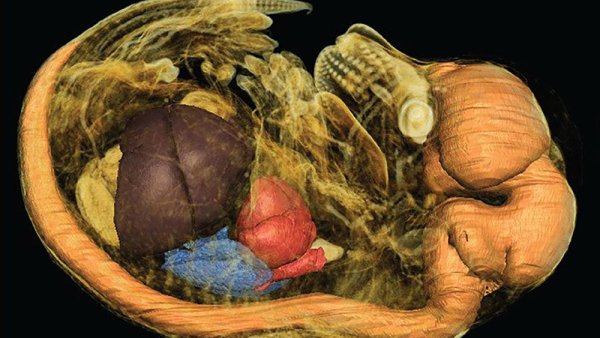
Penn State lab develops new procedures to improve high-quality scanning
| psu.edu
CQI developed new processes that resulted in a high-resolution scan 3D segmented rendering of a contrast-enhanced fetal mouse, which was chosen as the cover image for the journal Developmental Dynamics.

Warming Midwest conditions may result in corn, soybean production moving north
| psu.edu
If warming continues unabated in the Midwest, in 50 years we can expect the best conditions for corn and soybean production to have shifted from Iowa and Illinois to Minnesota and the Dakotas, according to Penn State researchers.
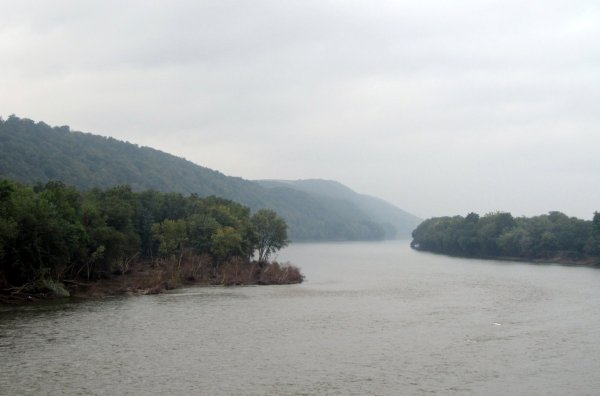
Faculty meeting on Water Initiative to be held May 11
| news.psu.edu
Penn State launched a University-wide water initiative in the fall to help elevate Penn State’s impact and prominence as a center of excellence in water. One of the initiative’s first University-wide meetings will be held on Monday, May 11, running from 2 until 4 p.m. via Zoom.
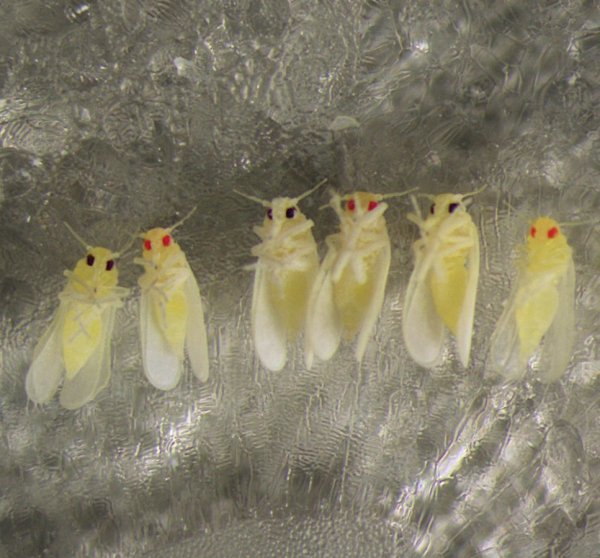
Gene-editing protocol for whitefly pest opens door to control
| news.psu.edu
Whiteflies are among the most important agricultural pests in the world, yet they have been difficult to genetically manipulate and control, in part, because of their small size. An international team of researchers has overcome this roadblock by developing a CRISPR/Cas9 gene-editing protocol that could lead to novel control methods for this devastating pest.
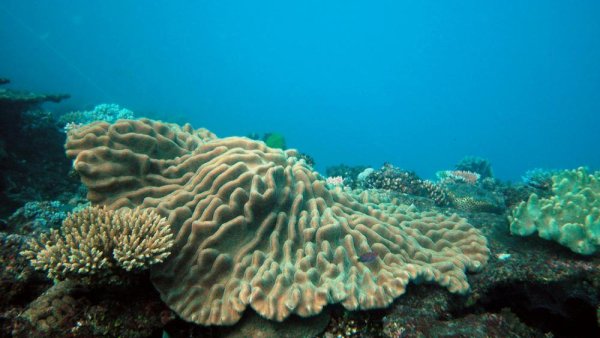
Iron deficiency in corals?
| psu.edu
When iron is limited, the tiny algae that live within coral cells change how they take in other trace metals, which could have cascading effects on vital biological functions and perhaps exacerbate the effects of climate change on corals.

Stuckeman School professor receives funding for renewable energy art, design
| psu.edu
Mihyun Kang, research professor in the Stuckeman School and the assistant director for sustainability in the College of Arts and Architecture, is the principal investigator on an interdisciplinary proposal titled “Renewable Energy Art and Design,” which was awarded a seed grant from the Institutes of Energy and the Environment.
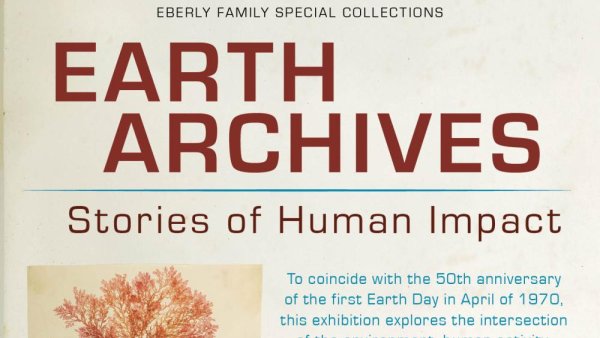
Libraries virtual exhibition highlights human impact on our planet
| psu.edu
To coincide with the 50th anniversary of the first Earth Day in April 1970, a new online exhibition, “Earth Archives: Stories of Human Impact,” explores the intersection of the environment, human activity, and the documentary record.
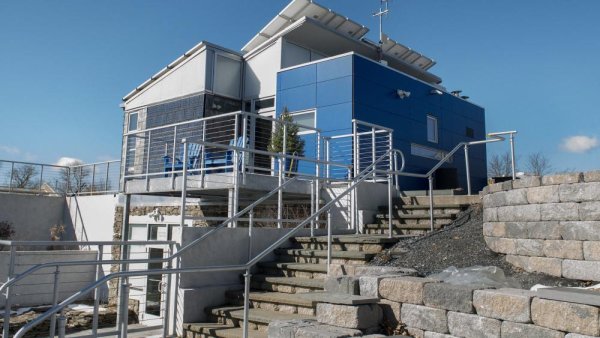
Architectural engineering professor receives NSF CAREER grant
| psu.edu
Donghyun Rim, assistant professor of architectural engineering, was recently awarded a $500,000, five-year Early Career Development Program grant from the National Science Foundation. With this grant, Rim will study modeling and experimental validation of airborne nanoparticles in indoor environments.
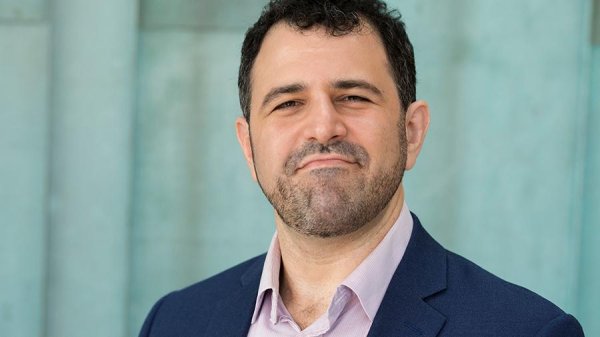
Dickinson Law professor earns IEE seed grant for project
| psu.edu
Penn State Dickinson Law Assistant Professor of Law Mohamed Rali Badissy is embarking on a research project to assess the barriers facing African governments trying to move forward with decarbonization.

Two faculty members join the Institutes of Energy and the Environment
| psu.edu
Two researchers have become cofunded faculty members in the Institutes of Energy and the Environment: Hee Jeung Oh, an assistant professor in the College of Engineering, and Hilal Ezgi Toraman, an assistant professor in the College of Earth and Mineral Sciences with a joint appointment in the College of Engineering.
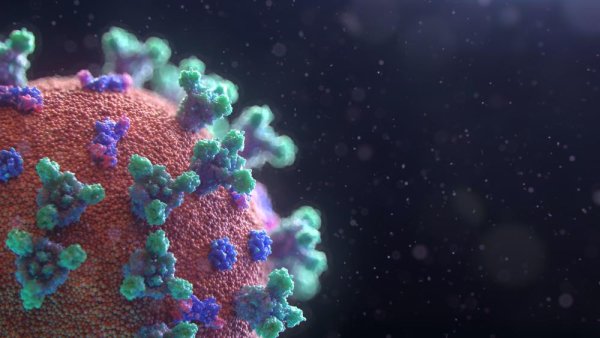
Seed grants jump-start 47 interdisciplinary teams to conduct COVID-19 research
| psu.edu
With speed and ingenuity, more than 100 researchers across Penn State are shifting their research programs to address the COVID-19 crisis, thanks to funding from a seed grant initiative led by the Huck Institutes of the Life Sciences. In total, the initiative awarded $2.25 million to 47 teams of researchers from three campuses, 10 colleges and more than 25 departments.