By understanding the complex interactions between water and human activity, we can work towards a future where this vital resource is accessible, clean, and supports healthy ecosystems and thriving communities.
Flowing throughout the Earth
Water is essential to the health of people and communities, ecosystems, regional and national economies, and the security of nations, supporting personal health, food production, manufacturing, energy generation, recreation, and a spectrum of other socially-valued ecosystem services.
Likewise, the biogeochemical cycles, such as nutrients and carbon, which are circulated through water, terrestrial ecosystems, and the atmosphere are essential to our world's health.
Population growth, development, and environmental changes put increasing stresses on water resources throughout the world. The challenges of droughts, floods, and degraded water quality—which serve to underscore our dependence on a balanced quantity and adequate quality of water—exacerbate population challenges.
Additionally, changes to our ecosystem place stressors on biogeochemical cycles.
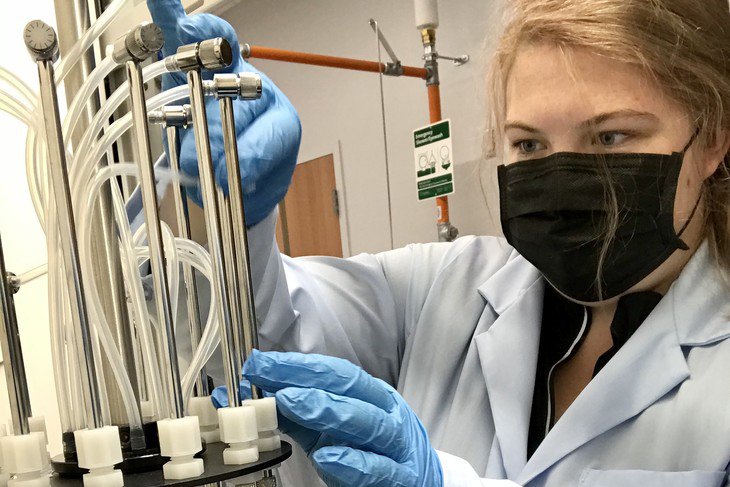
Water Sustainability Research
Featured IEE Researchers
More Researchers by Topic
Find more researchers studying water sustainability by clicking on any of the following topics:
Water Quality Watershed Nutrients Wastewater Runoff Hydrology Soil Wetlands Carbon Cycle Ocean Circulation Water Pollution
Water Sustainability News
Featured Stories

Fourteen interdisciplinary research teams receive 2026 IEE seed grants

U.S. Geological Survey grant to fund ag study of PFAS in small watersheds
| psu.edu
Mentions: Heather Preisendanz, Tyler Groh, Faith Kibuye, Odette Mina, Jon Sweetman, Onur Apul
Latest Headlines


Water Initiative
A new University-wide Water Initiative involves faculty and staff engaged in research, teaching, and outreach.
Penn State has a long and rich history of engaged, innovative, and impactful water and water-related research. This portfolio of work encompasses the natural, social, and health sciences, engineering, policy and law, communications, the arts, and more.